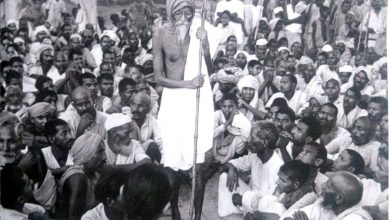

KOTTAYAM, KERALA — The agrarian crisis in Kerala has reached a constitutional turning point. As of February 14, 2026, the Karshaka Swaraj Satyagraha has entered its ninth day, with veteran Gandhian activist Sunny Paikada continuing an indefinite hunger strike in Erattupetta.
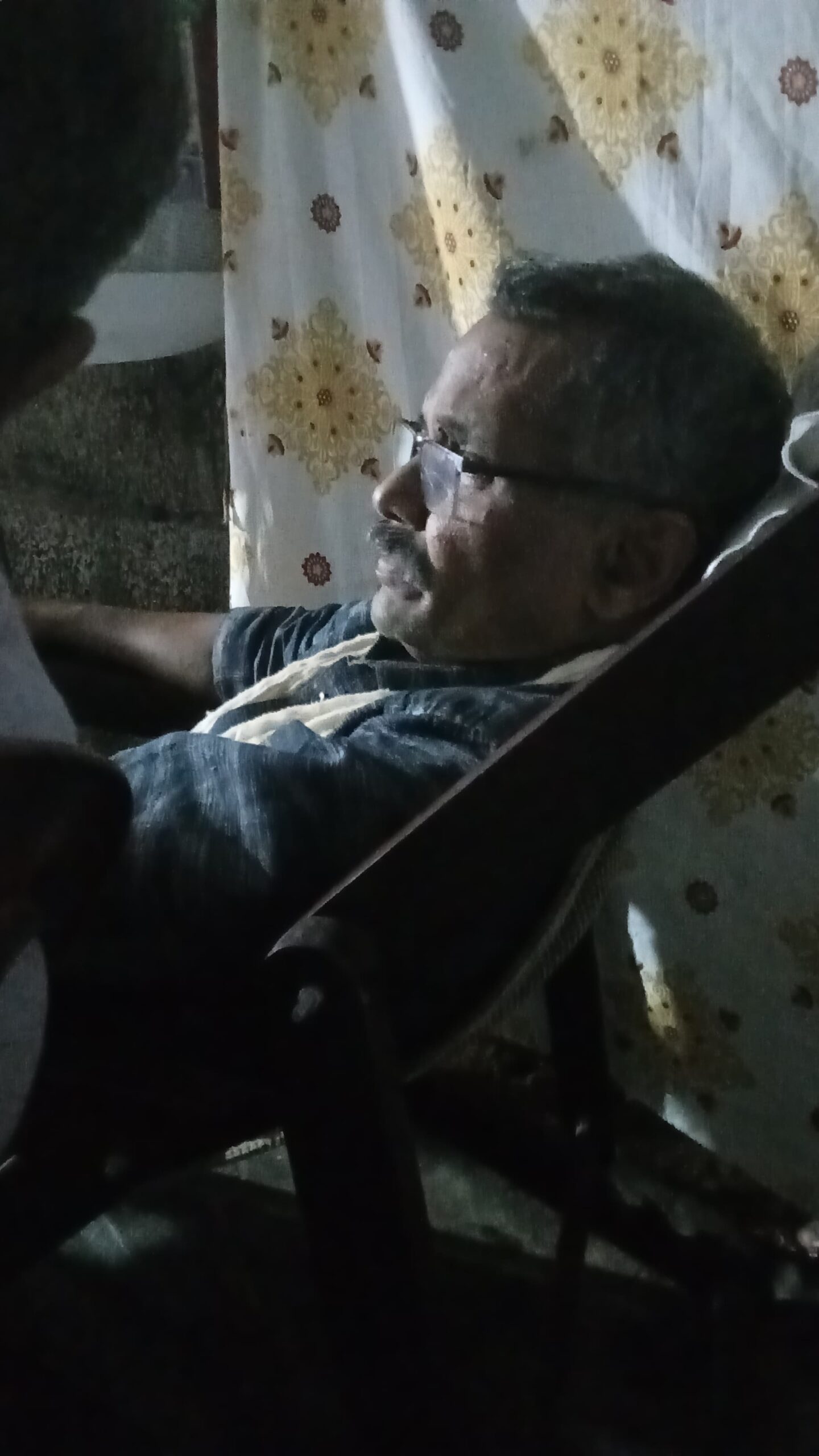
Gandhian activist Sunny Paikada on hunger strike in Erattupetta.
The protest, which began as a localized movement in Vellarikkundu, is now a statewide demand for the immediate implementation of the Wildlife Protection (Kerala Amendment) Bill, 2025.
In a significant development, Kerala Governor Rajendra Vishwanath Arlekar has officially agreed to forward the state’s proposed amendment to the Central Wildlife Protection Act of 1972 to the President of India for final assent.
This move follows intense pressure from the state cabinet and ongoing protests. The bill is a first-of-its-kind attempt by an Indian state to amend central wildlife legislation to allow for:
* Immediate Lethal Action: Empowering the Chief Wildlife Warden to order the killing of dangerous animals in residential areas without bureaucratic delays.
* Vermin Status: Giving the state the power to declare species like wild boars as “vermin” under Schedule II.
* Birth Control & Translocation: Implementing scientific population management to prevent forest-fringe incursions.
The Human Cost: A Statistical Crisis
The Satyagraha is fueled by a staggering rise in casualties. Between 2020 and 2024, Kerala recorded:
* 460 human deaths due to wildlife attacks.
* 4,527 serious injuries reported across the state.
* Palakkad District remains the hardest hit, accounting for 101 of those fatalities.

Current Protest Status (February 2026)
The hunger strike in Erattupetta has drawn support from the Erattupetta Bar Association and the Kottayam Zilla Panchayat, who warn that the health of 70-year-old Sunny Paikada is deteriorating.
Simultaneously, the Kerala government has suspended firearms license restrictions to facilitate more licensed shooters in participating in wild boar culling operations—a move seen as a partial victory for the Satyagrahis but “not enough” according to the Satyagraha Samiti.
“We are not just fighting for our crops; we are fighting for the right to exist in our own homes,” said a spokesperson for the Gandhian Collective. “The state has passed the bill; now the President must sign it to save lives.”
The satyagrah comes amid escalating tensions in agrarian belts like Idukki, Wayanad, and Kasaragod, where wild animal attacks have claimed lives and decimated livelihoods.

A Call for “Management,” Not Just Protection
In a memorandum submitted to the Union Minister for Forests and Environment, Sunny Paikada highlighted that the 1972 Wildlife Protection Act is outdated for the current reality. The Samithi argues that “what is required are amendments from the perspective of wildlife management.”
Key demands from the memorandum include:
Granting Vermin Status:
The Samithi demands that State Governments be empowered to declare non-endangered animals that cause large-scale destruction as “vermin,” allowing for regulated hunting.
Right to Self-Defense:
The memorandum explicitly seeks legal recognition for the right of people to protect their life and property. It calls for provisions that prevent forest officials from harassing residents with legal cases if an animal is injured or killed while being driven away from agricultural land.
Centralized Relocation:
Highlighting the disparity in forest density, the Samithi noted that Kerala has only 1.7 sq. km per elephant, compared to 33.1 sq. km in Jharkhand. They argue the Central Government must take responsibility for relocating “national property” (wildlife) from high-density states like Kerala to states with more available habitat.
A First in India
If signed into law by the President, the 2025 Amendment Bill would make Kerala the first state in India to bypass the rigid, time-consuming Standard Operating Procedures (SOPs) of the Central Act.
“We are not against conservation,” Paikada stated from the protest site. “But we are against a system that treats animal lives as more valuable than the humans who feed the nation. Until our right to live safely is recognized, this Satyagraha will continue.”
Kerala is not alone.
As Sunny Paikada’s hunger strike continues, the battle against human-wildlife conflict is intensifying across India. From the forests of Kerala to the foothills of Uttarakhand and the agricultural plains of UP, communities are demanding the right to safety.
FAQ
Q: Has the Wildlife Protection Act been amended yet?
A: The Kerala Assembly passed the Wildlife Protection (Kerala Amendment) Bill, 2025 in October 2025. As of February 2026, it is awaiting the President’s Assent after being forwarded by the Governor.
Q: Can farmers now shoot wild boars in Kerala?
A: Yes, local bodies have authorization for culling, and the government recently (February 11, 2026) suspended restrictive firearms license orders to make more shooters available.
Q: Who is leading the current hunger strike?
A: Sunny Paikada, a senior Gandhian activist, is leading the indefinite fast in Erattupetta, Kottayam.