Media Swaraj Desk
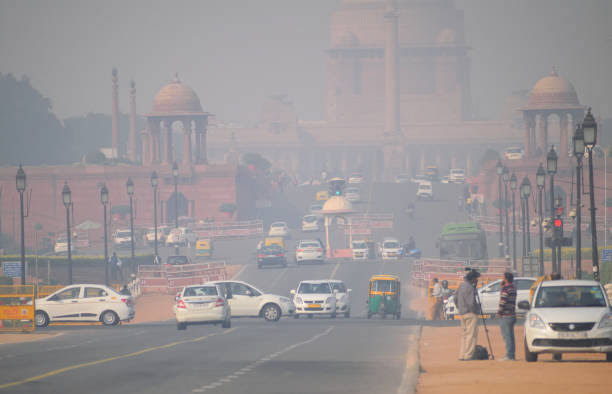
January 19 , 2026. A new World Bank report has issued a grave warning on South Asia’s worsening environmental crisis, highlighting how toxic air pollution across the Indo-Gangetic Plains is converging with an alarming collapse of snowfall in the Himalayas, threatening public health, water security and economic stability across the region.
The report, titled A Breath of Change: Solutions for Cleaner Air in the Indo-Gangetic Plains and Himalayan Foothills, states that nearly one billion people across India, Bangladesh, Nepal, Bhutan and Pakistan are exposed daily to hazardous air pollution. Fine particulate matter (PM2.5) levels in many cities and rural belts remain several times above safe limits, contributing to around one million premature deaths every year and reducing average life expectancy by more than three years.
The economic cost of this pollution, the World Bank estimates, amounts to nearly 10 percent of regional GDP, driven by rising healthcare expenditure, productivity losses and environmental damage.
Five Key Sources Choking the Indo-Gangetic Plains
The World Bank identifies five major contributors to the region’s air pollution crisis:
• Household burning of solid fuels such as firewood and cow dung
• Industries using inefficient and polluting combustion technologies
• Old, diesel-heavy vehicle fleets with weak emission controls
• Agricultural practices, especially crop residue burning
• Open burning of municipal and plastic waste
Despite repeated policy announcements, emissions from these sources continue largely unchecked, particularly in densely populated plains stretching from Punjab to West Bengal.
“35 by 35”: A Regional Survival Target
The report proposes a common regional goal — reducing annual average PM2.5 levels to below 35 micrograms per cubic metre by 2035. Achieving this, the World Bank says, could save millions of lives, reduce disease burden and deliver long-term economic benefits.
To reach this target, the report calls for a three-pillar strategy:
1. Abatement: Clean cooking fuels, electrification of industry, electric mobility, sustainable farming practices and scientific waste management.
2. Protection: Health advisories, pollution-resilient schools, and stronger healthcare systems for children and vulnerable populations.
3. Institutions & Governance: Cross-border coordination, enforcement mechanisms, financial incentives and reliable pollution data systems.
The Bank stresses the need for “four Is” — Information, Incentives, Institutions and Infrastructure — to translate policy promises into real air quality gains.
Himalayas Without Snow: A Silent but Deadly Warning
While pollution suffocates the plains, the Himalayas — the water tower of South Asia — are losing their snow.
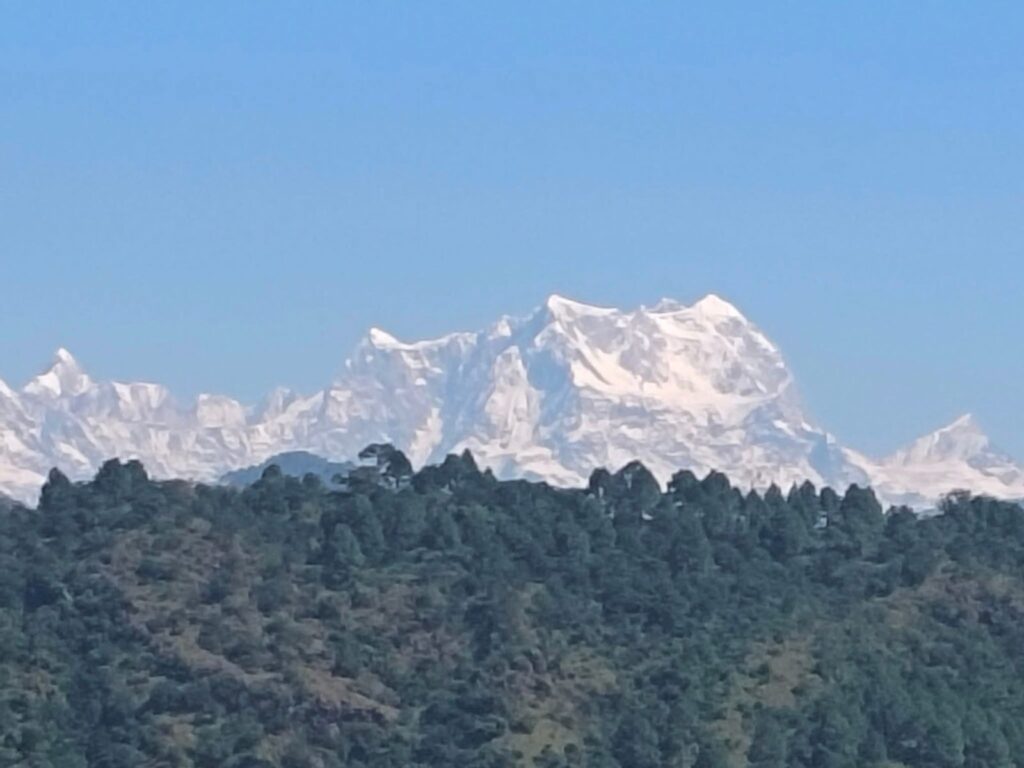
Recent scientific assessments by regional climate bodies show that seasonal snow persistence in the Hindu Kush–Himalayan region has fallen to its lowest level in over two decades, with several high-altitude areas witnessing little to no snowfall this winter. Experts describe this phenomenon as a “snow drought”, driven by climate change and rising mountain temperatures.
This has profound implications. Himalayan snowmelt contributes nearly one-fourth of annual river flows in major basins such as the Ganga, Indus and Brahmaputra. Reduced snowfall means water shortages in summer months, increased pressure on groundwater, stressed agriculture, and higher risks of droughts and power shortages downstream.
Twin Crises, One Shared Cause
Environmental experts warn that air pollution and Himalayan snow loss are not separate crises, but two faces of the same problem — fossil-fuel dependence, deforestation and weak environmental governance.
Black carbon from vehicles, biomass burning and industries not only poisons the air but also settles on Himalayan snow, accelerating melting by reducing reflectivity. The result is a dangerous feedback loop: warmer mountains, weaker snow cover, shrinking rivers and growing climate vulnerability in the plains.
A Policy Moment India Cannot Ignore
For India and its neighbours, the World Bank report serves as a stark reminder that piecemeal solutions will not work. Cleaning the air without addressing climate change, or protecting rivers without safeguarding mountains, will only delay an inevitable crisis.
As the report makes clear, clean air is not a luxury — it is a development necessity. Without urgent, coordinated action, South Asia risks a future of breathless cities, dry rivers and deepening inequality — with the Himalayas no longer able to shield the plains below.
(With input from AI )